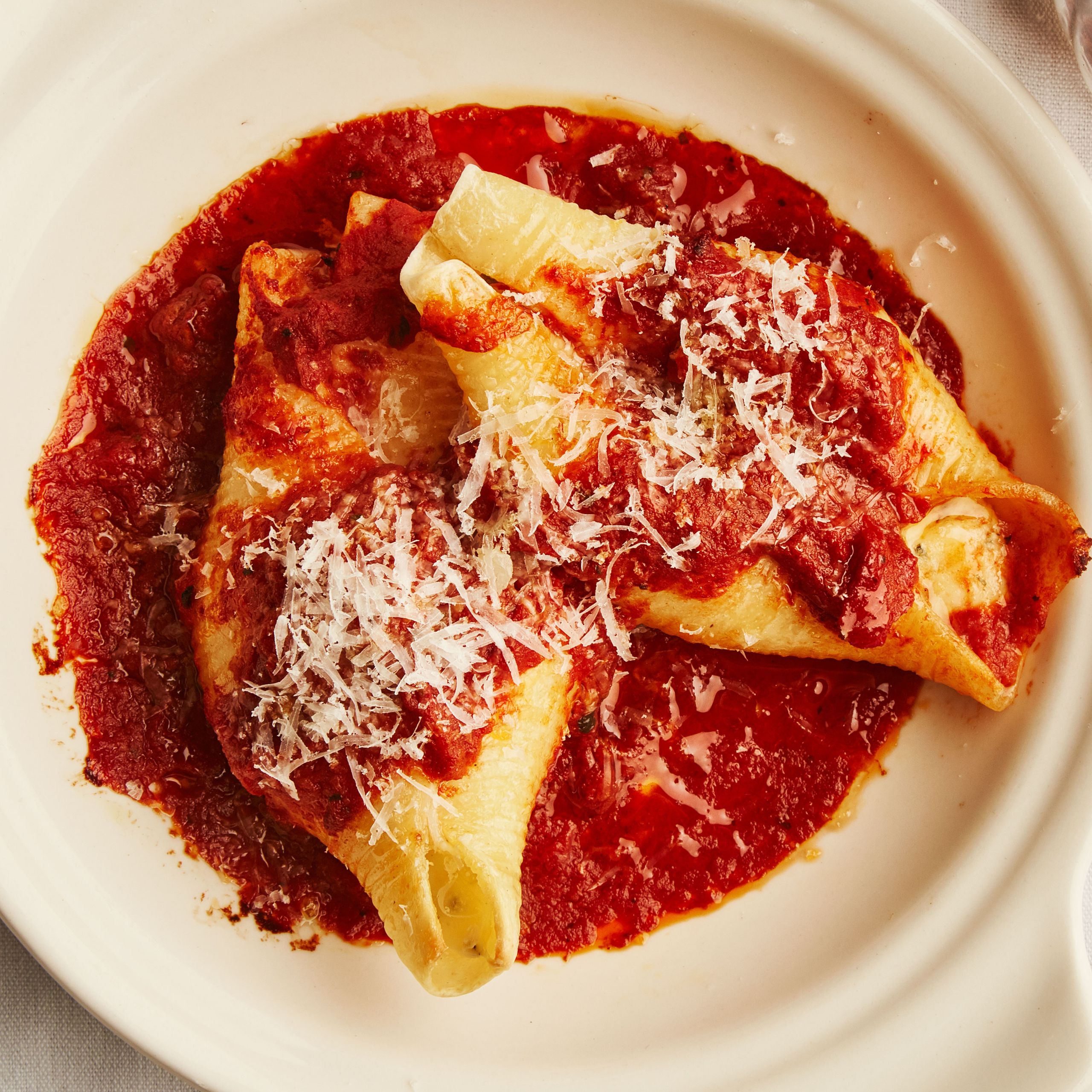
In the bustling world of weeknight meals and elaborate Sunday dinners, few things are as universally loved and versatile as a rich, aromatic marinara sauce. It's the cornerstone of countless Italian dishes, from a simple pasta al pomodoro to a hearty lasagna. But when faced with the choice, do you reach for a jar on the supermarket shelf or opt for the gratifying experience of creating homemade marinara sauce from scratch? While store-bought sauces offer undeniable convenience, a homemade marinara consistently triumphs in two crucial areas: unparalleled taste and surprising cost-effectiveness. This article delves into why making your own homemade marinara sauce isn't just a culinary endeavor, but a delicious, budget-friendly lifestyle choice.
The Unrivaled Flavor of Homemade Marinara Sauce
Imagine a sauce that sings with the vibrant sweetness of ripe tomatoes, subtly infused with garlic and basil, and boasting a silky-smooth texture that clings perfectly to every noodle. This is the promise of homemade marinara, a promise rarely delivered by its jarred counterparts. The secret lies in the quality of ingredients and the simplicity of preparation, a culinary truth deeply rooted in Italian tradition.
At the heart of an authentic homemade marinara sauce are high-quality tomatoes. Culinary experts and Italian nonnas alike will tell you that San Marzano tomatoes, with their sweet, less acidic profile and delicate flesh, are the gold standard. When you crush these yourself, you have complete control over the freshness and purity, something often lost in pre-crushed or processed varieties found in jars. This attention to foundational ingredients ensures a taste that is bright, fresh, and deeply satisfying, devoid of the often artificial or overly sweet notes that can plague commercial sauces.
Homemade marinara, known as sugo in Italy, is more than just a sauce; it's a family legacy. Every Italian household cherishes its own unique recipe, passed down through generations. The story goes that this beloved red sauce originated near the Neapolitan coast, where fishermen's wives would prepare it for their returning husbands. This rich heritage underscores why making it from scratch isn't just cooking; it's participating in a timeless tradition, infusing your dishes with authentic Italian flavor that no store-bought option can truly replicate.
Why Store-Bought Falls Short on Taste
- Ingredient Quality: Commercial sauces often use lower-grade tomatoes, excessive sugar, and preservatives to extend shelf life, masking the natural sweetness and acidity that defines a great marinara.
- Lack of Freshness: The "freshly cooked" taste is impossible to achieve in a jar that has been sitting on a shelf for months. Homemade marinara sauce offers that vibrant, just-simmered flavor.
- Personalization: With homemade, you control the balance of flavors—more garlic, less salt, a pinch of chili flakes. Store-bought is a one-size-fits-all compromise.
Cost-Effectiveness: Saving Money Without Sacrificing Quality
Beyond the superior taste, one of the most compelling arguments for making your own homemade marinara sauce is the significant cost savings. While the initial thought of buying ingredients might seem comparable to a single jar, the economics quickly tip in favor of homemade, especially when you consider yield and quality.
Let's break it down. High-quality canned San Marzano tomatoes, a good extra virgin olive oil, fresh garlic, and basil are relatively inexpensive staples. When purchased in bulk or even standard quantities, these ingredients yield a much larger volume of sauce than a typical jar, often for the same or even lower price. A single jar of premium store-bought marinara can cost anywhere from $4 to $8, providing enough for one or two meals. For a similar investment in raw ingredients, you can produce a batch of homemade marinara sauce that will generously serve a family for multiple meals, or provide a convenient freezer stash for future use.
Making extra and freezing portions is where the cost-efficiency truly shines. This strategic batch cooking not only saves money but also time in the long run. Imagine having a ready-to-go, high-quality marinara for a quick weeknight dinner, eliminating the temptation and expense of last-minute take-out. It’s an investment in your pantry and your peace of mind.
Beyond the Basics: Elevating Your Homemade Marinara Experience
Crafting the perfect homemade marinara sauce is an art form, but one that is surprisingly accessible. With a few key tips and an understanding of the ingredients, you can achieve that authentic Italian taste that rivals any restaurant.
Mastering Key Ingredients and Techniques
- The Right Tomatoes: As mentioned, San Marzano tomatoes are ideal, but if unavailable, choose high-quality canned whole plum tomatoes. Crushing them yourself allows you to assess their freshness and texture.
- Olive Oil Matters: Extra virgin olive oil offers a richer, more robust flavor. However, if you only have regular olive oil, it will still work beautifully. The key is quality, regardless of the press.
- The Role of Tomato Paste: Keep tomato paste on hand. It's a concentrated flavor booster that also serves as an excellent thickener. If your sauce seems too thin after simmering (which can happen with varying juice content in canned tomatoes), a spoonful of paste can balance the consistency and deepen the flavor profile.
- Choosing Your Cookware: While a large, heavy-bottomed pot works, a wide, deep-bottomed sauté pan is often preferred by Italian cooks. Its broader surface area allows for more even heat distribution and faster evaporation, helping the sauce thicken beautifully in just about 30 minutes. This method ensures the tomatoes are just cooked through, preserving their fresh flavor.
- Simmering to Perfection: A gentle simmer for about 30 minutes is usually sufficient to meld the flavors and achieve a smooth consistency. Resist the urge to rush it; patience is key to flavor development.
One of the beauties of homemade marinara sauce is its adaptability. While it's superb on its own, it also serves as a fantastic base for myriad culinary creations. From enriching your Sunday sauce to providing a flavorful foundation for meatballs, pizza, or as a dipping sauce for crusty bread, its versatility is unmatched. Feel free to improvise and add your favorite enhancements once the basic marinara is complete: black olives, capers, sautéed mushrooms, or even sliced red and green peppers can transform it into something uniquely yours.
A Culinary Tradition Worth Embracing
Beyond the practical benefits of taste and cost, making homemade marinara sauce is about embracing a rich culinary tradition. It's about taking pride in what you feed yourself and your family, knowing every ingredient that goes into your dish. It's a skill, like many foundational recipes, that once learned, becomes second nature and an invaluable asset in your kitchen repertoire. My family's recipe has been passed down through generations, and the joy of sharing that with my own children, keeping that Italian tradition alive, is immeasurable. Now, I hope to pass that joy on to you.
When you make your own homemade marinara, you gain control over the quality of ingredients, ensuring a healthier meal free from unwanted additives or excessive sodium. You contribute to a mindful eating philosophy, where food is cherished and prepared with intention. It's a simple act that yields profound rewards, transforming ordinary meals into extraordinary culinary experiences.
Ultimately, the choice between homemade marinara and store-bought boils down to a fundamental question: do you prioritize fleeting convenience or lasting satisfaction? The arguments for homemade marinara sauce are compelling: a vastly superior, vibrant taste that celebrates fresh ingredients, significant cost savings that benefit your household budget, and the deep satisfaction of creating something authentic and delicious with your own hands. Embrace the tradition, savor the flavor, and rediscover the simple pleasure of a truly magnificent marinara.
