Master Your Marinara: Pro Tips for Italian Sauce at Home
There's an undeniable magic in a truly exceptional red sauce. For many, it evokes memories of bustling Italian kitchens, Sunday dinners, and the comforting aroma of simmering tomatoes. Yet, for too long, the convenience of store-bought jars has overshadowed the incredible flavor and simplicity of creating your own homemade marinara sauce. If you've ever doubted your ability to craft an authentic Italian sugo from scratch, prepare to have your mind changed. This isn't just a recipe; it's an invitation to embrace a cherished culinary tradition, unlocking a world of vibrant flavor and undeniable satisfaction right in your own kitchen.
Forget bland, sugary, or overly processed alternatives. Once you experience the depth, freshness, and pure deliciousness of a sauce made with quality ingredients and a little love, you'll understand why this foundational Italian staple is passed down through generations. Not only does it taste immeasurably better, but making your own marinara is also surprisingly simple, incredibly versatile, and significantly more cost-effective. Let's dive into the secrets that will transform your cooking and help you master your marinara like a true Italian.
The Soul of Your Sauce: Unveiling the Magic of Tomatoes
At the heart of every great homemade marinara sauce lies the humble tomato. But not just any tomato will do. The secret to that authentic, balanced flavor often starts with selecting the right variety and treating it with respect.
Why San Marzano Reigns Supreme
For purists and professionals alike, Authentic Italian Marinara: Easy Family Recipe from Scratch often begins with San Marzano tomatoes. Hailing from the rich, volcanic soil near Mount Vesuvius in Italy, these plum tomatoes are renowned for their perfectly balanced sweetness and acidity, minimal seeds, and firm, meaty pulp. Their unique characteristics contribute to a naturally robust flavor that requires little embellishment. When buying canned San Marzano tomatoes, look for the "DOP" (Denominazione d'Origine Protetta) seal, which guarantees their origin and quality. This designation ensures you're getting the genuine article, cultivated and processed according to strict standards.
Crushing Your Own: A Quality Control Step
While convenience might tempt you to reach for pre-crushed tomatoes, taking the extra step to crush whole peeled tomatoes yourself offers distinct advantages. It allows you to visually inspect the quality of the tomatoes, ensuring they are ripe and free from blemishes. Furthermore, crushing them by hand or with a food mill (avoiding over-blending for texture) gives you control over the final consistency, preserving a rustic charm often lost in overly processed versions. If San Marzano tomatoes aren't readily available, fear not! High-quality canned whole plum tomatoes from a reputable brand make an excellent substitute. Just ensure they are whole and not diced, as diced tomatoes often contain calcium chloride, which prevents them from breaking down as easily.
Crafting Culinary Perfection: Techniques for a Flawless Marinara
Beyond the tomatoes, a few strategic techniques can elevate your homemade marinara sauce from good to unforgettable. These are the subtle shifts in method that make all the difference, often learned through generations of Italian cooking.
The Right Vessel Makes All the Difference
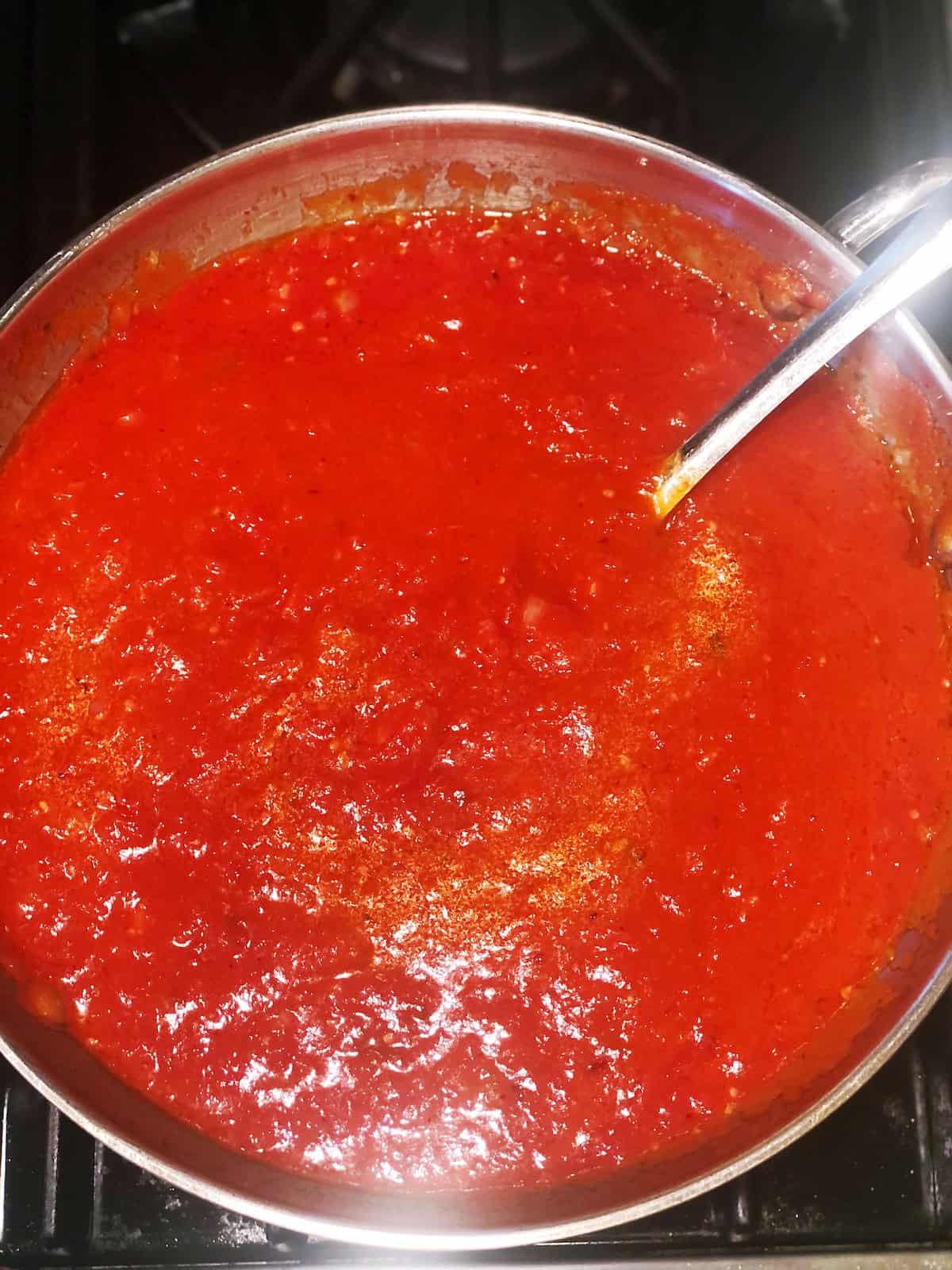
While a large pot might seem like the obvious choice for simmering sauce, a wide, deep-bottomed sauté pan with a lid is actually preferable for marinara. Why? The wider surface area allows for more even heat distribution and, crucially, faster evaporation. This means your sauce will thicken more efficiently, concentrating flavors without having to simmer for hours on end. It ensures the tomatoes are cooked through just as the sauce reaches its ideal consistency. If you don't have a sauté pan of this type, a heavy-bottomed Dutch oven or similar pot will still yield excellent results, though it may take a little longer to achieve the desired thickness.
The Art of the Simmer and Thickening Secrets
Marinara isn't about rapid boiling; it's about a gentle, rhythmic simmer that allows flavors to meld beautifully. Typically, a 30-minute simmer on the stovetop is sufficient to transform raw tomatoes into a smooth, flavorful sauce. During this process, keep an eye on the consistency. Sometimes, depending on the growing season or brand, canned tomatoes can be surprisingly watery. This is where tomato paste becomes your secret weapon. A concentrated tomato product, a tablespoon or two of tomato paste, bloomed slightly in olive oil at the start or whisked into the sauce later, will not only deepen the flavor but also add body and a velvety smoothness. It helps balance the sauce and provides a wonderful richness without needing to reduce it for an excessive amount of time.
Olive Oil: The Liquid Gold
Like many Italian recipes, the philosophy often boils down to using what you have on hand, but quality makes a difference. Extra virgin olive oil (EVOO) is always the first choice for its fruity, peppery notes that contribute significantly to the sauce's overall aroma and taste. However, if EVOO isn't available, regular olive oil will still perform admirably. The key is to use enough to create a foundation for your aromatics and to carry the flavors throughout the sauce. Remember, improvisation and adapting to what's in your pantry are hallmarks of true Italian home cooking.
Elevate Your Marinara: Beyond the Basic Simmer
Once you've mastered the basic homemade marinara sauce, the possibilities for customization and creative applications are endless. This simple sauce is a blank canvas, ready to be adorned or to serve as the perfect backdrop for other culinary delights.
Seasoning for Depth: Garlic and Herbs
While the beauty of marinara lies in its simplicity, thoughtful seasoning is crucial. Garlic, gently sautéed until fragrant but never browned (which can make it bitter), forms an aromatic foundation. Fresh basil, added towards the end of cooking or as a garnish, provides a bright, peppery note that beautifully complements the tomatoes. Dried oregano can be added earlier in the cooking process to release its earthy flavors. Salt and freshly ground black pepper are non-negotiable, essential for awakening and balancing all the ingredients.
Versatility and Adaptability: Your Marinara's Many Roles
This Homemade Marinara vs. Store-Bought: Better Taste, Lower Cost isn't just for pasta! It's the ultimate multitasker in the Italian kitchen. Use it as a vibrant dipping sauce for crusty bread, a foundational spread for homemade pizza, or the flavorful base for meatballs and chicken parmigiana. It also serves as the ideal starting point for a more elaborate "Sunday Sauce" (often called sugo by Italians), where you can simmer in meats, sausages, or even braised short ribs for hours to create an incredibly rich and satisfying meal. For those who enjoy a bit more flair, consider adding black olives, briny capers, sautéed mushrooms, or sliced red and green bell peppers to your marinara during the last 10-15 minutes of simmering for an extra layer of flavor and texture.
Smart Storage for Effortless Meals
One of the greatest advantages of making your own homemade marinara sauce is the ability to batch cook and store it for future use. Marinara freezes exceptionally well. Once cooled, ladle portions into airtight containers or freezer-safe bags, leaving a little headspace. It will keep beautifully in the freezer for up to three months, providing a quick and easy solution for weeknight dinners. Imagine having delicious, homemade sauce ready at a moment's notice – no more reaching for subpar store-bought options!
Embracing the Italian Tradition
In Italy, this beloved sauce is known as sugo, and every family proudly guards their unique recipe, often passed down through generations. There's a charming tale that suggests marinara originated near the coast of Naples, where fishermen's wives would prepare this simple, flavorful sauce for their husbands upon their return from sea, hence the name "marinara" (of the sea). This tradition of cooking from the heart, with simple, high-quality ingredients, is what makes Italian cuisine so universally cherished.
By making your own homemade marinara sauce, you're not just cooking; you're participating in a rich cultural legacy. You're creating something truly special, imbued with your own care and attention, that brings people together around the table. It's a taste of Italy, a slice of tradition, and a testament to the fact that the best flavors often come from the simplest origins.
Conclusion
Stepping away from the convenience of jarred sauces and embracing the art of a homemade marinara sauce is a rewarding culinary journey. From selecting premium San Marzano tomatoes to mastering the gentle simmer in the right pan, each step contributes to a sauce that is fresh, vibrant, and incomparably delicious. You'll not only save money but also gain complete control over the quality of your ingredients, creating a healthier and more flavorful base for countless Italian dishes. So, gather your ingredients, set aside a little time, and prepare to delight your senses. Your journey to mastering marinara begins now, and your taste buds (and dinner guests) will thank you for it!
